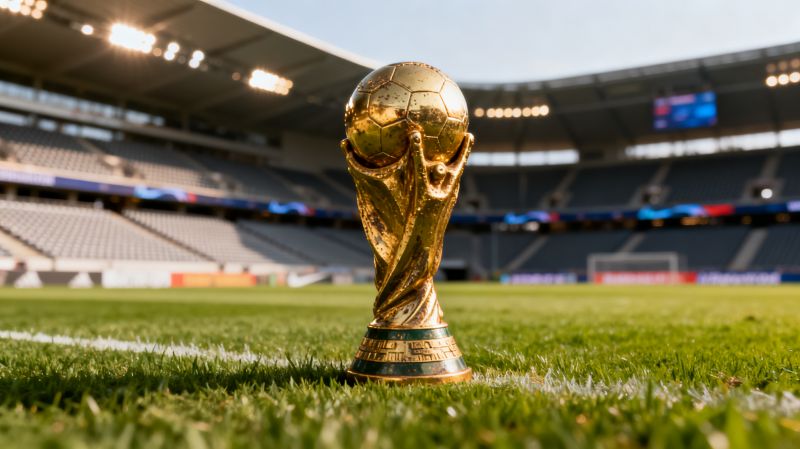
witzerland's World Cup history is not defined by trophies but by a stubborn, almost perverse consistency. The Swiss have qualified for twelve tournaments, reaching the knockout stage in seven of them—yet they have never advanced beyond the quarterfinals. That record speaks to a national footballing identity built on defensive discipline, tactical intelligence。and a chronic lack of attacking firepower when it matters most. The 2006 World Cup in Germany remains the starkest example: Switzerland became the first team ever to be eliminated from a World Cup without conceding a single goal in open play, losing to Ukraine on penalties in the round of 16 after a 0-0 draw. You cannot accuse them of naivety. You can accuse them of timidity.I watched the 2014 World Cup in Brazil closely, and Switzerland's extra-time defeat to Argentina in the round of 16 felt like a recurring nightmare. For 118 minutes, the Swiss backline—led by Fabian Schär and Johan Djourou—absorbed wave after wave of Argentine pressure. Then Ángel Di María struck. The Swiss had one shot on target all match. That pattern repeats: against elite opposition, Switzerland defends admirably but rarely threatens. Their 2018 campaign offered a slight corrective—a stunning 1-1 draw with Brazil and a last-gasp 2-1 win over Serbia—but Sweden eliminated them in the round of 16 with a 1-0 victory that flattered the Swiss. They dominated possession but created almost nothing. It's a familiar story.What explains this ceiling?
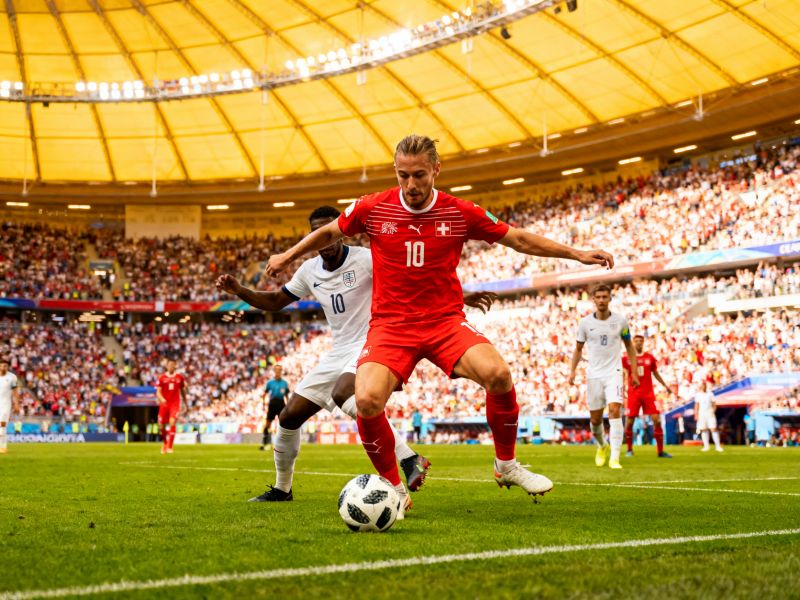
Player development in Switzerland is excellent—the country produces technically sound midfielders and disciplined defenders with remarkable regularity. Granit Xhaka, Xherdan Shaqiri。and Manuel Akanji are genuine top-level talents. Yet the national team lacks a consistent goalscorer. Since Alexander Frei retired in 2011, no Swiss forward has reliably delivered at major tournaments. Haris Seferović has had moments, but his international record—25 goals in 93 caps—is respectable rather than formidable. The Swiss system prioritizes control over risk. Coaches from Ottmar Hitzfeld to Murat Yakin have built teams that are hard to beat but rarely exhilarating. That's a deliberate choice, and it works up to a point. The point is usually the quarterfinal.The 2022 World Cup in Qatar exposed the limits of that approach. Switzerland edged past Cameroon and Serbia in the group stage but were dismantled 6-1 by Portugal in the round of 16. It was the heaviest defeat in their World Cup history. Yakin's side looked old, slow, and utterly bereft of ideas once Portugal pressed high. That result stung because it contradicted the narrative of Swiss solidity. You can't call a 6-1 loss a fluke. It was a structural failure—a midfield overrun。a defense exposed, a forward line that offered no outlet. The Swiss FA has since invested more in youth attacking talent, but the 2026 cycle will test whether that investment translates into a team willing to take risks.Switzerland's World Cup story is one of admirable professionalism and frustrating conservatism. They will qualify for 2026—they almost always do—and they will likely reach the knockout rounds. But until a Swiss coach decides that a 1-1 draw with a major power is not a moral victory, the quarterfinal ceiling will hold. The talent is there. The mentality isn't.